Start with a plunger and a firm seal; most kitchen clogs are within a couple of feet of the strainer. If that fails, open the trap under the sink, then try a hand snake. A clog that returns, or one that backs up more than one fixture, belongs with a drain and clog plumber.
Where do I begin with a blocked kitchen sink?
Bail out standing water where possible, clear the strainer, and set a cup plunger over the drain, blocking the second bowl or the dishwasher line so pressure stays in the pipe. Pump steadily for roughly thirty seconds. A clear gurgle and a sink that drains mean it worked.
A clean plunger matters; keep one just for sinks. Rub a little petroleum jelly around the rim to seal it, and plug the overflow hole with a wet rag if the sink has one. Water rising into the other bowl means the clog sits past the junction, so you will need the trap or a snake.
Hot water has its place, but a kettle of boiling water poured down a sink is not harmless: it can soften or warp plastic pipe and fittings, and it will not shift a hard plug. For a light grease film, use very hot tap water mixed with dish soap, and do it before the plunger.
How do I take apart and clean the P-trap?
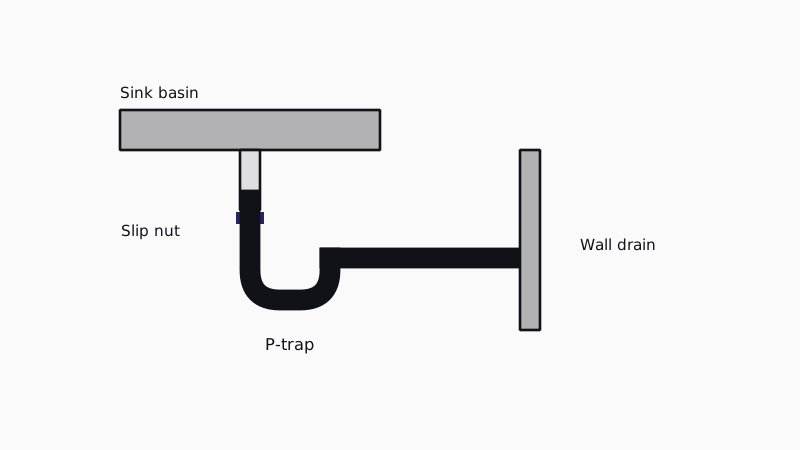
Set a bucket beneath the curved pipe and unscrew both slip nuts by hand. Lower the trap and tip it into the bucket, push a wire or small brush through each piece, rinse them, inspect the washers and refit everything hand-tight. Then run water and look for drips.
Expect a mess. Kitchen traps hold grease, coffee grounds and the odd lost spoon. Put on gloves and spread old towels in the cabinet. Check the trap arm that runs into the wall too, since a clog sometimes sits just past the trap.
If you smell sewer gas after reassembling, the trap may not have refilled or a joint may be loose. Run water for a few seconds to re-seal it. A dry trap loses its water seal and lets odors in.
Compression nuts on plastic traps crack when overtightened. Hand-tight and a gentle quarter turn is enough.
At what point does a drain snake make sense?
Use a hand-cranked snake, also called an auger, if the clog lies in the wall pipe past the trap. Push it in until it meets resistance, turn the handle to break through, then pull it out and wipe away the debris. Repeat if needed, flush with hot water and test the flow.
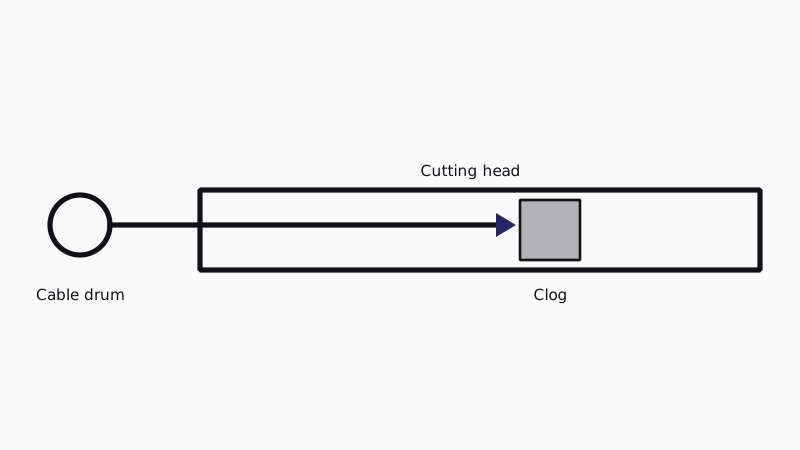
Be gentle with a metal snake in old or fragile pipe. Some older Old Town Temecula homes have galvanized or cast iron drain lines, which are rough inside and can snag the cable. If the snake halts at the same spot each time, do not force it; the cause may be an elbow, a collapsed section or roots.
When a garbage disposal is installed, run the snake in through the trap arm instead of down through the unit. Unclogging a garbage disposal drain is the related guide for the unit itself.
If a drain only clears slowly after snaking, a greasy lining is often the cause, and the snake just punches a hole through it. The water flows for a few days and then the blockage returns. Then it is worth considering a drain machine or a plumber's camera inspection.
Is chemical drain cleaner a good idea for a kitchen sink?
Leave chemical cleaners alone. They can burn skin, harm some pipes and fixtures, and leave a hazard sitting in the trap for whoever opens it next, and they still fail on grease and food. The plunger, the trap and the snake are safer and more effective.
Enzyme cleaners are gentler and may help keep a drain flowing, but they do little for a solid blockage. After using any chemical product, warn anyone who opens the trap later, and put on gloves and eye protection.
Baking soda and vinegar is a popular online mix. That fizzing may freshen a drain, yet a genuine clog rarely moves. Do not rely on it for a blocked sink.
Why do kitchen sinks in Temecula keep clogging?
Fat and food scraps cool and stick in the pipe, soap and scale narrow it, and long flat drain runs let debris settle. In this area hard water adds scale: Rancho Water's reports put average hardness around 230 to 240 mg/L, roughly 13 to 14 grains per gallon, in the 2020 to 2023 reports.
Some homes also have a long horizontal run under the slab or through the crawlspace, which gives less slope and more settling. In tract homes from the 1980s to 2000s, a kitchen that backs up repeatedly may share a line with a laundry or bathroom, so the blockage may appear in more than one fixture.
Habits help. Scrape grease from pans into the trash, use a strainer, and run hot tap water down the drain after washing greasy dishes. Keep fat and coffee grounds out of the drain. A disposal does not make it acceptable to send grease down there.
When does a kitchen sink clog need a plumber?
Get help when the clog comes back within days, if water rises into another sink, tub or floor drain, if other fixtures gurgle, or if the snake cannot get through. Those signs suggest a main branch or sewer line, which takes a machine or a camera to clear.
Tell the plumber which fixtures are affected, how long the drain has been sluggish, and what you have already tried. The plumber we line up visits your home; ask about cost and method before any work begins.
Other drain guides include a sink that is not draining but not clogged and a clogged drain sink. Book a visit through the quote form, and see the remaining jobs on the home page.
Common questions
What makes a kitchen sink drain slowly?
Usually a partial clog, grease and food residue coating the pipe and narrowing the passage. Plunging and cleaning the trap often cure it. A slow drain that keeps returning suggests the coating sits farther down the line, which a snake or a plumber's drain machine can clear.
Will a plunger work on a double sink?
Yes, but seal the second bowl first with a wet rag or a stopper, or have someone hold it down. Otherwise the pressure leaks out through the other drain and the plunger achieves little. Use a cup plunger with a few inches of water over the drain.
Is boiling water safe to pour down a kitchen drain?
Not always. Boiling water may soften or damage plastic pipes and loosen joints, and it seldom clears a hard clog. Very hot tap water mixed with dish soap is safer on a grease film. Never mix either with chemical cleaners.
How frequently should a kitchen drain be cleaned?
Most homes need only a hot water flush after greasy dishes and a trap check once or twice a year. Clean the trap sooner if the sink begins to slow or smell. Hard water scale may call for extra attention.
Could a clogged kitchen drain flood the house?
It can spill over the sink and soak the cabinet or floor, especially if the tap keeps running. If other drains back up simultaneously, stop all water use and call a plumber because the shared line may be blocked. Never run the washing machine or dishwasher into a backed-up line.
Sources used
Updated